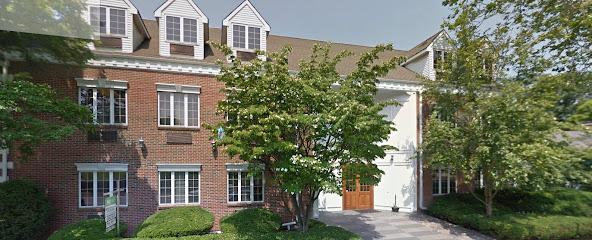


Dr. Mark Roisman has been practicing in his Westport, CT office since 1995. After graduating McGill University in Montreal with a Bachelor of Science degree in Biology in 1982, Dr. Roisman went on to study dentistry at the University of Pennsylvania School of Dental Medicine in Philadelphia. He received his DMD degree from Penn in 1986, and followed up his training with a yearlong General Practice Residency in Queens, New York. From 1987 through 1995, Dr. Roisman was in private practice in Queens and Brooklyn, NY until he established his Westport practice in March of 1995.
Dr. Roisman prides himself on using the latest cutting edge technologies to provide the ultimate in dental care for his patients. He was one of the first dentists in Fairfield County and Connecticut to provide digital radiography (Schick CDR) to his patients, and one of the first and only dentists in Connecticut using the Itero Digital Impression Scanner for crown and bridge restorations.
When asked, Dr. Roisman describes his top priority in patient care as being the ability to combine excellent treatment with unsurpassed comfort and efficiency. It is unusual for any patient to be seated later than their appointed time, and in most cases they are finished in less time than that for which they were scheduled. The most common and cherished comment heard in the office following treatment is, that was much, much easier than I thought it was going to be.
Gum disease is one of the leading causes of tooth loss. Gum disease has two primary stages. If diagnosed and treated in the first stage, the condition can be reversed and tooth loss can usually be prevented. In order to prevent gum disease,practice good oral hygiene and visit your dentist for cleanings and check-ups twice a year.
This stage only affects the soft tissue of the gums, and the patient may not experience any discomfort. Although the symptoms may be very mild, it is important to diagnose gum disease in this early stage before it progresses to periodontitis.
Periodontitis is the name for more advanced periodontal disease and if permitted to progress to this point, not only the gums are affected but the bone structures supporting the teeth will be compromised.


A build-up of bacteria causes Gingivitis. In its early stages, inflammation around the gums is observable, with gum tissues appearing red and swollen. Gums that are easily irritated or that bleed during tooth brushing indicate the presence of Gingivitis. Removal of the plaque buildup is necessary to prevent the development of gum disease.

As the gums become more inflamed, they start to pull away from the teeth, forming spaces known as periodontal pockets. Food, bacteria, and plaque begin to collect in the pockets, leading to infection. The surrounding bone becomes damaged both by bacterial toxins and by the immune systemsresponse to infection.

