

Our mission at Lovrovich Orthodontics is to provide professional orthodontic care in a welcoming, safe, and comfortable environment. Our objective is to promote good oral hygiene during treatment while encouraging patients to create a sufficient and feasible routine that works well for them. A proper home care routine, coupled with professional treatment, allows for more accurate and timely results.
Through innovative and advanced technology, we can both determine the right treatment for a patient and reveal their achievable smile using our 3D scanner and imaging system. Patients are informed about treatment throughout the process to ensure understanding and compliance--key ingredients in the success of any treatment. Together, we can enhance your smile and oral health while providing you with the tools you need to maintain your healthy smile.

I feel that my lifelong passion for art, design and architecture has greatly enhanced my ability as an orthodontist because this dental specialty requires a great deal of precision, aesthetic sensibility and technical skill. In addition, I really enjoy interacting with my patients and making their visits a fun and positive experience.'
When I first started practicing orthodontics nearly two decades ago, I made a commitment to provide patients with the highest quality of care possible, and I still uphold these standards today. I use innovative, proven solutions such as Invisalign and Insignia. Equally important, I will always treat you with the kindness, respect and unhurried care that you deserve.
In his free time, Dr. Lovrovich enjoys spending time with his wife and watching their three sons play sports. His hobbies include fishing, watching sporting events, skiing and playing golf. Dr. Lovrovich sponsors local Little League baseball teams and is actively involved in his local church in Seattle.
Dr. Lovrovich is a Board-Certified Orthodontist and a Diplomate of the American Board of Orthodontics. The American Dental Association recognizes this as the only orthodontic specialty board. He is amongst the 35% of orthodontists who are currently board certified.

I am the Office Manager and Treatment Coordinator at Lovrovich Orthodontics and have been working in the dental field for over 15 years. I enjoy meeting and welcoming new patients into our practice. My goal is to educate patients in orthodontics and the different modalities available to achieve an excellent end result. I love watching confidence build as patients progress through their treatment. In my spare time, I enjoy paddle boarding, hiking, walking, biking, camping and watching movies.

I joined Lovrovich Orthodontics over four years ago as Front Office Coordinator and have been in the orthodontic field for 12 years. I am the first person to greet patients when they walk through the door. What I enjoy most about working at Lovrovich Orthodontics is seeing the positive experience and result patients receive while in treatment here. I am fortunate to work with such a great team and doctor. Outside of work I enjoy running, yoga, boating, watching sports, and spending time with friends and family.

Hi, Im Stacey! I love seeing big metal smiles all day long. My position as a registered dental assistant allows me to help you achieve a smile to envy. Its a great day for me when I get to remove your braces and see the delight in your face when you realize what all our effort has created! In the year 2000, I started working for a dental office in California. This opened my eyes to a great field that has lead me to orthodontics, where my passion lies. Eight years later, I left California to find my new home in Seattle. It has been a thrilling and amazing adventure. After joining Lovrovich Orthodontics, I realized I had found my second family. When Im not wearing my mask and gloves, I like to watch Dirty Harry movies, reread Pride and Prejudice, and eat as much as possible.

I have recently started my journey in the dental field at Lovrovich Orthodontics. I love helping patients create a smile that they will be confident about and love! While I'm not in the office I love to explore new places, spending my days with my cats and cooking!

Here at Lovrovich Orthodontics, we are passionate about your oral health. Our community in Seattle, Washington is the place that we live and love with all of our hearts. We are committed to building and maintaining a strong bond between our practice and the communities that we are a part of through the high-quality work that we do and through our involvement in those communities.
Dr. Lovrovich has been practicing Orthodontics for two decades and has honed his craft with the fervor and passion of someone who is committed to the highest quality and care. Dr. Lovrovich is a Diplomate of the American Board of Orthodontics, as well as a Board-Certified Orthodontist. This places him in the upper echelon of orthodontists in the country, and the world!
When you think about orthodontics, what is the first thing that pops into your head? Probably braces, but is there anything else? While a large portion of the work we do is on placing and maintaining braces, we also work very hard on a wide variety of teeth alignment issues. These issues include things like:
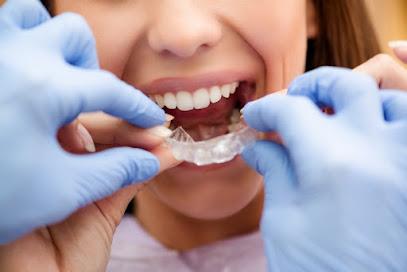
Many adults know that they need their teeth straightened but feel too ashamed to have braces placed. Often, they fear the stigma that braces carry and dont want to have to deal with unsightly teeth straightening appliances. We have the ability to straighten your teeth without the use of braces.
Many of us have likely had or know someone who has had corrective braces for crooked or misaligned teeth. However, there are many more types of teeth-related issues that braces may treat.Lets examine how braces can be used to correct an alignment issue known as an overjet, including what exactly an overjet is, how it
Cosmetic orthodontics works to improve the function and appearance of misaligned teeth. This type of oral treatment helps to even out bite pressure across all teeth, which safeguards the long-term health of gums, teeth, and jaws.Braces and aligners are used in cosmetic orthodontics to correct a crooked smile or misaligned bite. There are various types
Many people think that their journey with teeth straightening ends when their braces are removed or they finish their clear aligner treatment but neglecting to wear orthodontic retainers often causes delays in their new, straight smile. Wearing your retainer is an easy step to ensure that you will have a straight smile for the rest
A modern type of orthodontic appliance, clear aligners apply gentle pressure to the teeth to create a straighter, better-aligned smile. These aligners are considered by most to be more aesthetically pleasing than traditional braces and can be more hygienic as well. Although they are relatively simple to use, patients often have questions about what to
Early interceptive therapy, also known as phase 1 orthodontics, is performed by a kids orthodontist and deals with the application of growth appliances, expanders, or partial braces, pending the complete eruption of the patients adult teeth. Phase one treatment is usually recommended for children when they are between 7 and 11 years old. The treatment
Archaeological findings reveal that braces have been used as a teeth-straightening method since 400-500 BC as gold wiring was found in various tombs in Egypt. Gold wiring was used as a binding for teeth and crudely-fashioned metal attachments were found on some teeth of mummified people. From then and throughout history, various materials have been used as teeth-straightening braces, including gold, platinum, silver, steel, rubber, vulcanite, wood, ivory, zinc, copper, and brass.
It was not until the late 1800s when major advances in dental technology brought about modern metal braces. Until the mid-1970s, braces wrapped around the entirety of the teeth with no separation. The metal brackets changed the way in which braces were secured and brought about the tightening method, making braces much more functional and efficient. Its rich history and evolving expertise make traditional braces widely used to this day.
Today, braces are made of metal or ceramic material, wires, brackets, and bonding material that secures them to the teeth. This makes them extremely durable and very unlikely to break or become damaged. Nonetheless, it is crucial to care for the braces as well as your oral health to maintain proper hygiene during treatment.
Traditional braces come with a set of guidelines and restrictions to enable the fastest, most effective treatment. The Mayo Clinic finds that metal braces are generally very effective, but their effectiveness and treatment duration are largely affected by the patients adherence to their orthodontists instructions. If the patient is not abiding by the directions and teeth movement is not progressing properly, then it can prolong treatment.
There are several types of braces to choose. We will recommend the type after reviewing the patients age, their spacing conditions, and their bite/alignment condition. Classic braces, often called archwires, are braces that are individually attached to each tooth with an archwire that puts pressure on the teeth and jawline. Elastic O-rings connect the archwire to the brackets.
Other types of braces include ceramic, lingual, and invisible braces. Ceramic braces are clear and less visible than metal braces. Lingual braces are placed completely behind the teeth, keeping them invisible. Invisible braces, or aligner trays, are removable and can be placed on and off throughout the day. Each type of braces has its own set of advantages.
There are many advantages of traditional braces that keep them one of the most highly-used and requested teeth-straightening methods. In many cases, traditional metal braces are the only type of braces that can fix a variety of dental conditions. They are still considered the most effective solution for tough issues as ceramic and plastic are not strong enough to withstand these heavy shifts.
As with any teeth-straightening appliances, taking care of the teeth and mouth become more strenuous as much more is involved in both cleaning and maintaining the teeth and braces themselves. Most importantly, brushing and flossing are crucial for maintaining health teeth as plaque and tartar are easily trapped inside and around the braces. To clean out the braces, remove any elastics or removable parts of the braces and clean around the wires and pins of the braces, ensuring that all plaque and debris have been removed.
Brush teeth under and above the braces, contacting the gum line. We recommend brushing teeth and braces after every meal. Flossing once a day will ensure that food particles stuck in between and underneath teeth are removed. Be sure to rinse thoroughly after brushing and examine teeth for any remaining particles or plaque.
We will instruct patients on how to brush and floss with braces. There are a variety of toothbrushes and floss brands made, especially for cleaning braces. Routine checkups are for tightening braces as well as cleaning them with our professional dental tools. Cleanliness and proper hygiene make treatment much more effective and timely.
The best results depend largely on the type of condition being treated and the patients age and adherence to the guidelines given. However, generally metal braces tend to be more effective as they provide anticipated results without additional effort by the patient. They are never forgotten or lost, and are continually monitored when tightened.
Although metal braces are highly durable and can withstand wear and tear, sticky, hard, and chewy foods should be avoided. Example foods to avoid: popcorn, nuts, hard taco shells, sticky and hard candy or chocolate, gum, ice, corn chips, pretzels, and hard cookies or crackers. Recommended foods: yogurt, fruits without pits, light crackers or cookies, cheese, mashed potatoes, peanut butter and jelly, and any type of macaroni or rice.
Although not always the case, braces can affect speech. In most of these cases, speech may be slightly slurred, may cause a lisp, or may impede speech fluency. These are normal responses in the initial stage as teeth and mouth adjust to the braces. They should gradually improve throughout treatment, usually after the first month.