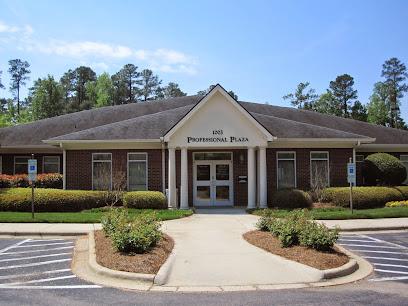


by | Mar 2, 2016 | About UsOur mission at Cary Periodontics & Implant Dentistry is to provide our patients with optimum periodontal health by utilizing the most advanced technology coupled with precise clinical skills and compassionate care. We recognize that the practice of Periodontics is...
by caryadmin | Mar 29, 2015 | About UsDr. Michael Brenegan is a Board-certified Periodontist that practices in Cary, North Carolina. He received his undergraduate degree in Biology from the University of Wisconsin. Upon graduating and prior to attending dental school, Dr. Brenegan spent several years...

Dr. Michael Brenegan is a Board-certified Periodontist that practices in Cary, North Carolina. He received his undergraduate degree in Biology from the University of Wisconsin. Upon graduating and prior to attending dental school, Dr. Brenegan spent several years working as a surgical assistant for an oral and maxillofacial surgeon in Raleigh, North Carolina, where his family called home.
During this time, he met his wife, Colleen, as she completed her graduate studies at the University of North Carolina(UNC)Chapel Hill. Dr. Brenegan continued his education at New York University (NYU) College of Dentistry, where he earnedhis Doctor of Dental Surgery (DDS) degree. He graduated with honors in their Esthetic Dentistry program.After completing a 3 year Post-graduate Residency Program specializing in Periodontics at the University of Alabama at Birmingham (UAB School of Dentistry), Dr. Brenegan decided to move back to the Triangle area with his family to practice Periodontics.
Asa Board-certified Periodontist, Dr. Brenegan has made significant achievements in the specialty and undergonerigorous examinations by a board of highly respected peers. He has achievedDiplomate status withthe American Board of Periodontology, one of nine specialty boards recognized by the American Dental Association (ADA).As a Diplomate of the American Board of Periodontology, Dr. Brenegan provides his patients the highest quality and most up-to-date care through ongoing professional development and certification maintenance.
Dr. Brenegan is active in many local, regional, and national professional groups and associations in dentistry and periodontics. Hehas served as President of the North Carolina Society of Periodontology. He iscurrently the Treasurer of the Piedmont Periodontal Study Club. In addition to spending time with his wife and two daughters, Dr. Brenegan enjoys golf, running, traveling, and watching ACC basketball.


Periodontal (gum) diseases, including gingivitis and periodontitis, are serious infections that, left untreated, can lead to tooth loss. The word periodontal literally means around the tooth. Periodontal disease is a chronic bacterial infection that affects the gums and bone supporting the teeth. Periodontal disease can affect one tooth or many teeth. It begins when the bacteria in plaque (the sticky, colorless film that constantly forms on your teeth) causes the gums to become inflamed.
Gingivitis is the mildest form of periodontal disease. It causes the gums to become red, swollen, and bleed easily. There is usually little or no discomfort at this stage. Gingivitis is often caused by inadequate oral hygiene. Gingivitis is reversible with professional treatment and good oral home care.
Untreated gingivitis can advance to periodontitis. With time, plaque can spread and grow below the gum line. Toxins produced by the bacteria in plaque irritate the gums. The toxins stimulate a chronic inflammatory response in which the body in essence turns on itself, and the tissues and bone that support the teeth are broken down and destroyed. Gums separate from the teeth, forming pockets (spaces between the teeth and gums) that become infected. As the disease progresses, the pockets deepen and more gum tissue and bone are destroyed. Often, this destructive process has very mild symptoms. Eventually, teeth can become loose and may have to be removed.