

Our goal at CARY ENDO is to provide you with the best, most accurate, and thorough diagnosis possible. Recent technological breakthroughs have allowed us to make major advances in our ability to achieve that goal. CBCT (Cone Beam Computed Tomography), also referred to as 3D, is a new technology similar to CAT scans in that it will give us a 360 degree three dimensional view of the area we are examining.
Previously, we were limited to a two dimensional picture of a three dimensional problem. There were many things we could not see because dental X-rays did not have the resolution to show them. Despite our best efforts, we were forced to infer, project, surmise, calculate, and interpret. Often, we could only give our best educated guess based on what we could see on the X-ray. Additionally, X-rays were often just not sensitive enough to show very small or the beginning signs of problems.
That has all changed significantly with the advent of CBCT. With its extremely high resolution and exceptionally low radiation, it has literally changed our world with respect to what we can now see. CBCT imaging offers a large volume of information and subtle details that simply cannot be obtained by any two dimensional X-ray, whether intraoral or panoramic. One 3D scan will allow us to examine the region of interest at a high resolution from many different perspectives. Clinical studies support this technologys improved diagnostic capabilities. We are very proud of CBCT and feel strongly that this state-of-the-art technology will allow us to provide our patients with the very highest level of care possible today.
Taking the image is very simple. The scan generally takes between 10 and 20 seconds and the images are transferred directly to a computer. A common question is the amount of radiation that is emitted in obtaining this type of image. In an effort to provide the best care and lowest radiation dose possible, we selected a unit by Morita. Their machines offer extremely low radiation dose. Below are a few comparisons for a typical 40 x 40 mm scan.

Melissa was born in Raleigh, North Carolina. She resides in Willow Springs with her husband, daughter and her fur babies. Melissa began her dental career in 1987 working for a general practice in Garner, North Carolina. In 1996, Melissa joined CARY ENDO as a dental assistant. She enjoys meeting patients and facilitating them through their office experience. When she is away from the office you will find her with her family and friends enjoying lake life

After being our on call support for Cary Endo (for weekend emergencies) the past 4 years, Christina joined the team full time in the early spring of 2020. With dental assisting being the newest 'tool' in her toolkit; she has also worked in the massage therapy field and the technical writing field (L-3 Communications, Utah). She loves the outdoors, hiking and camping with her large family and spending anay extra time she has working on homemade soaps, lotions and candles. When she is away from the office, you will find her in her garden or taking care of their few dozen chickens
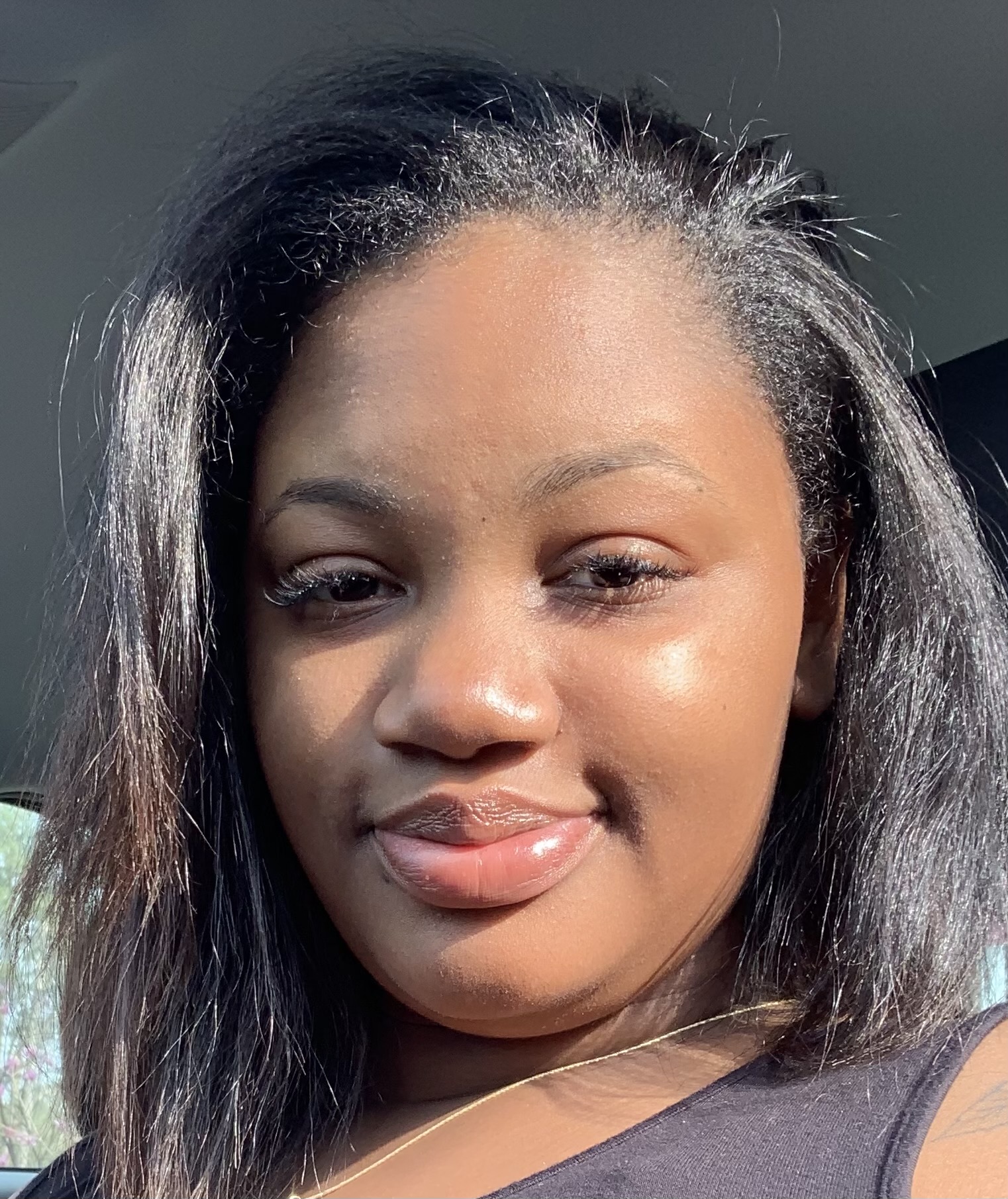
Kacee joined our team in the spring of 2021. She has been in the endodontic field of dental assisting for the past 3 years. She adds to the positive and upbeat atmosphere here at CARY ENDO with her quirky personality and ability to make light of any stressful situation
